Foundations of Visual Construction
Character design relies on building a unique, recognizable silhouette combined with a set of distinct features that persist through every rotational angle. By establishing a clear, rigid silhouette early on, creators can ensure their characters remain identifiable even when deep in the background or obscured by complex, high-energy combat effects.
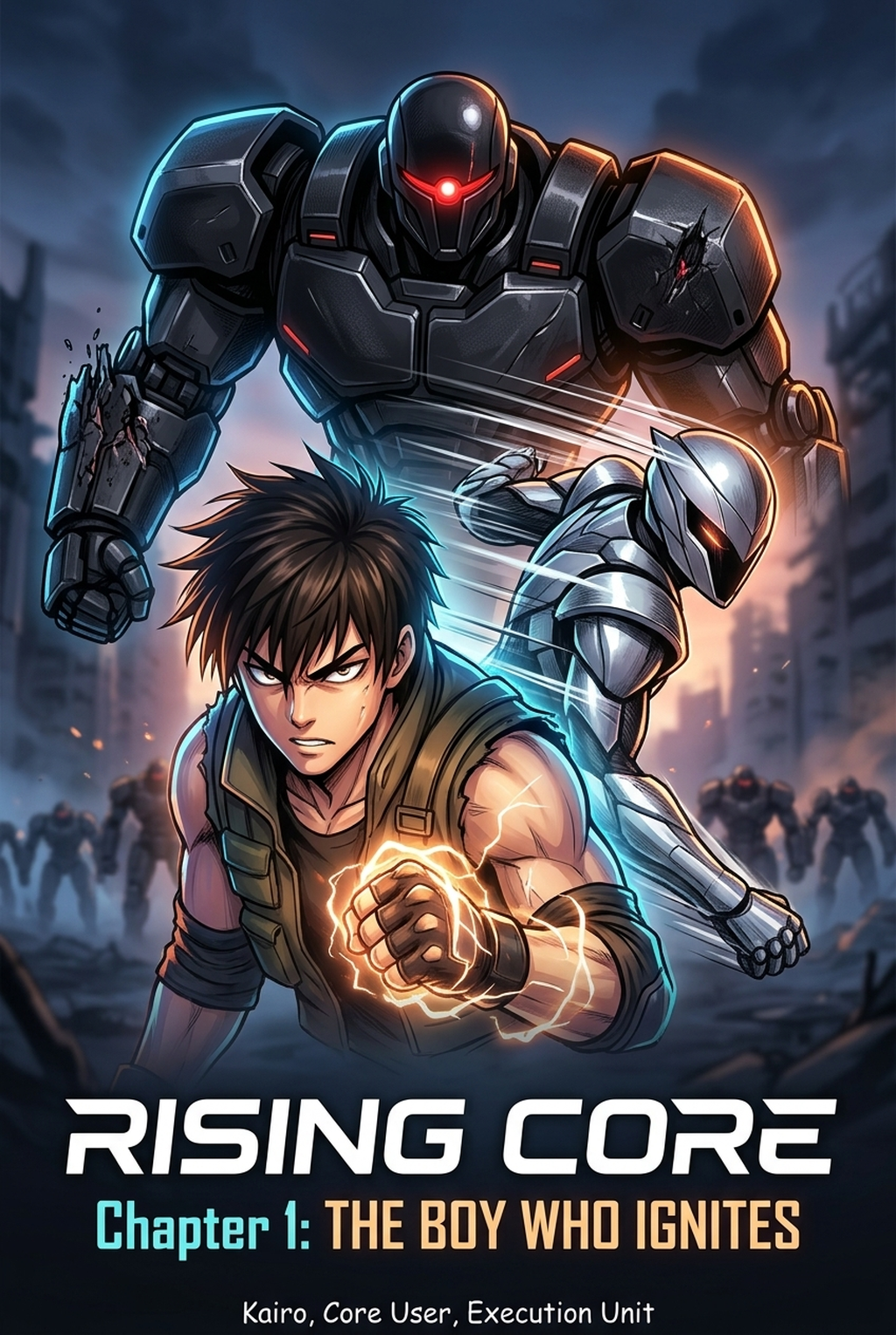
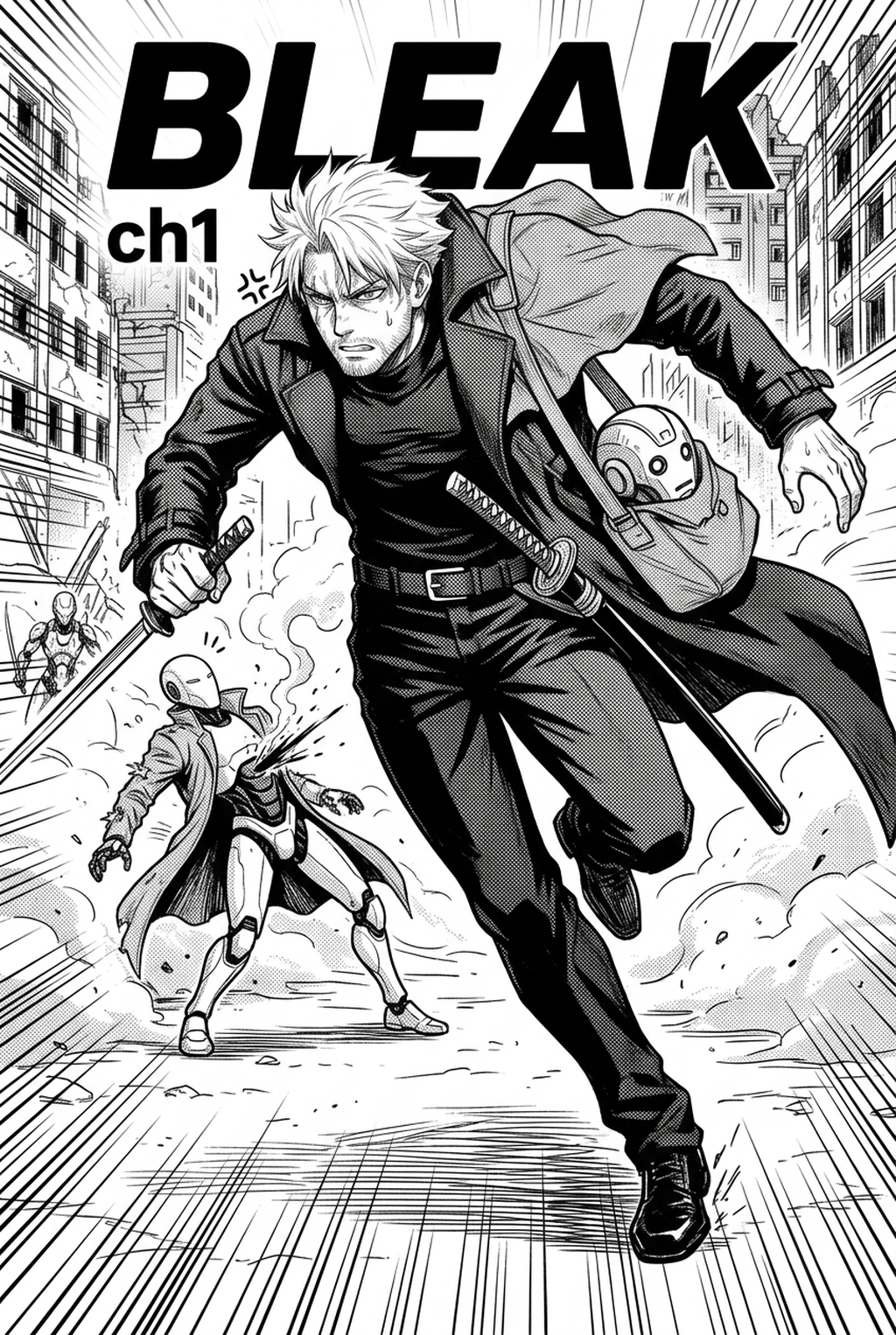
Effective design balances iconic costume components with readable facial markers to ground the reader's attention during chaotic panel layouts. In Shonen-style manga, focusing on exaggerated, high-energy silhouettes helps define power levels and physical movement, whereas Seinen-style design demands a more grounded, detail-heavy approach to portraiture.
Overloading a character with too many trinkets or intricate armor pieces often results in inconsistent line art when a project moves to the final inking stage. Successful designers prioritize a limited set of high-impact visual anchors, ensuring the character’s identity is locked in place regardless of the complexity of the specific background or lighting scenario.
The Necessity of Visual Continuity
Maintaining character consistency across a full manga volume prevents model drift, which occurs when proportions or costume elements deviate from the initial reference sheet. If a character’s hair length or eye shape fluctuates between frames, the reader’s engagement drops because the visual language of your world becomes unreliable and disorganized.
A character model sheet serves as the foundational source context, acting as the single source of truth for every subsequent panel or chapter production. This document must contain front, side, and three-quarter views, along with explicit notes on clothing colors or standard line-weight ranges to guide your inking process.
Even minor variations, such as a missing bag strap or a modified collar design, can cause subconscious friction for the reader during a fast-paced sequence. Strict adherence to established model sheets protects the structural integrity of your story and saves hours of potential rework during the final digital review phase.
Mangaka for Consistent Character Iteration
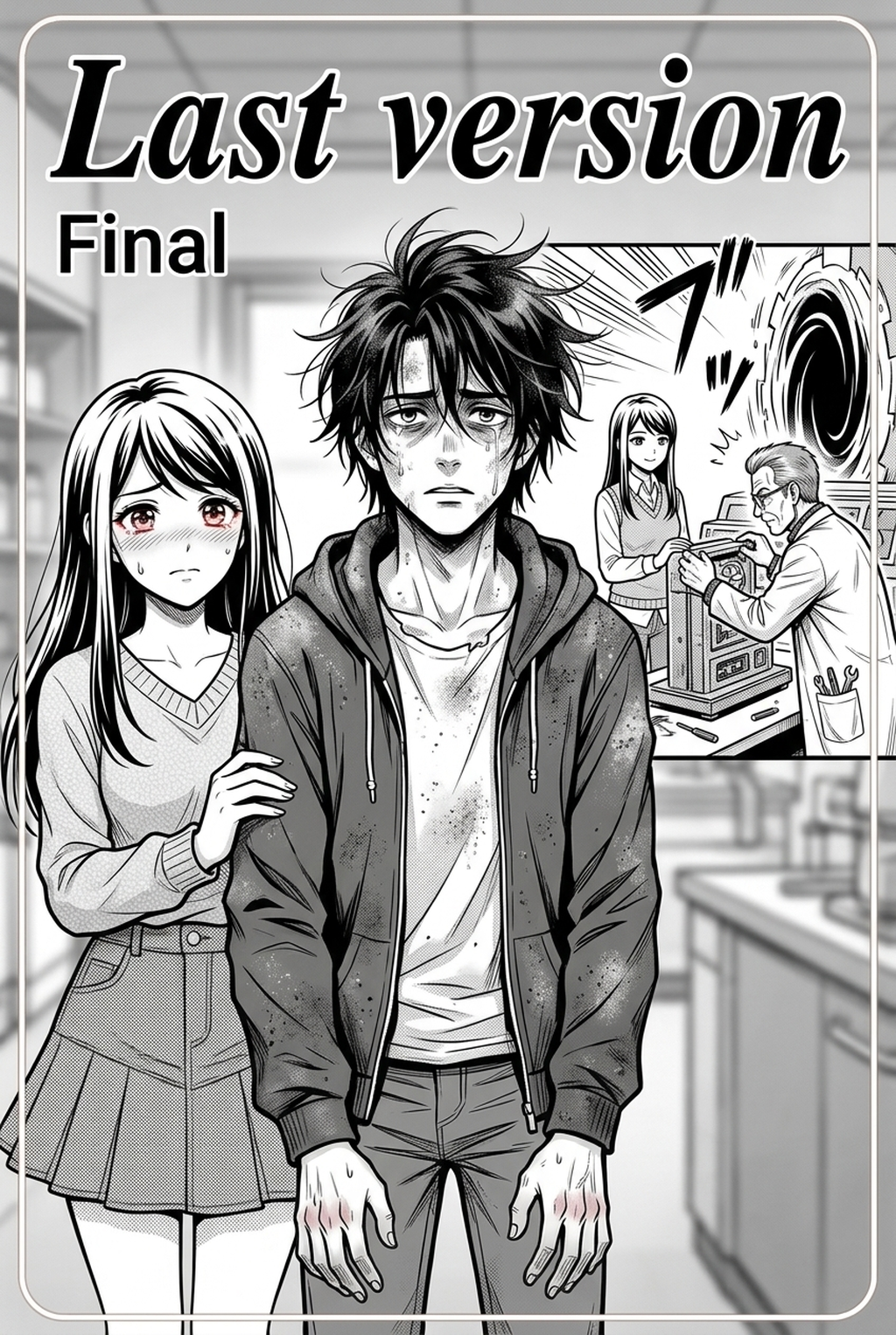
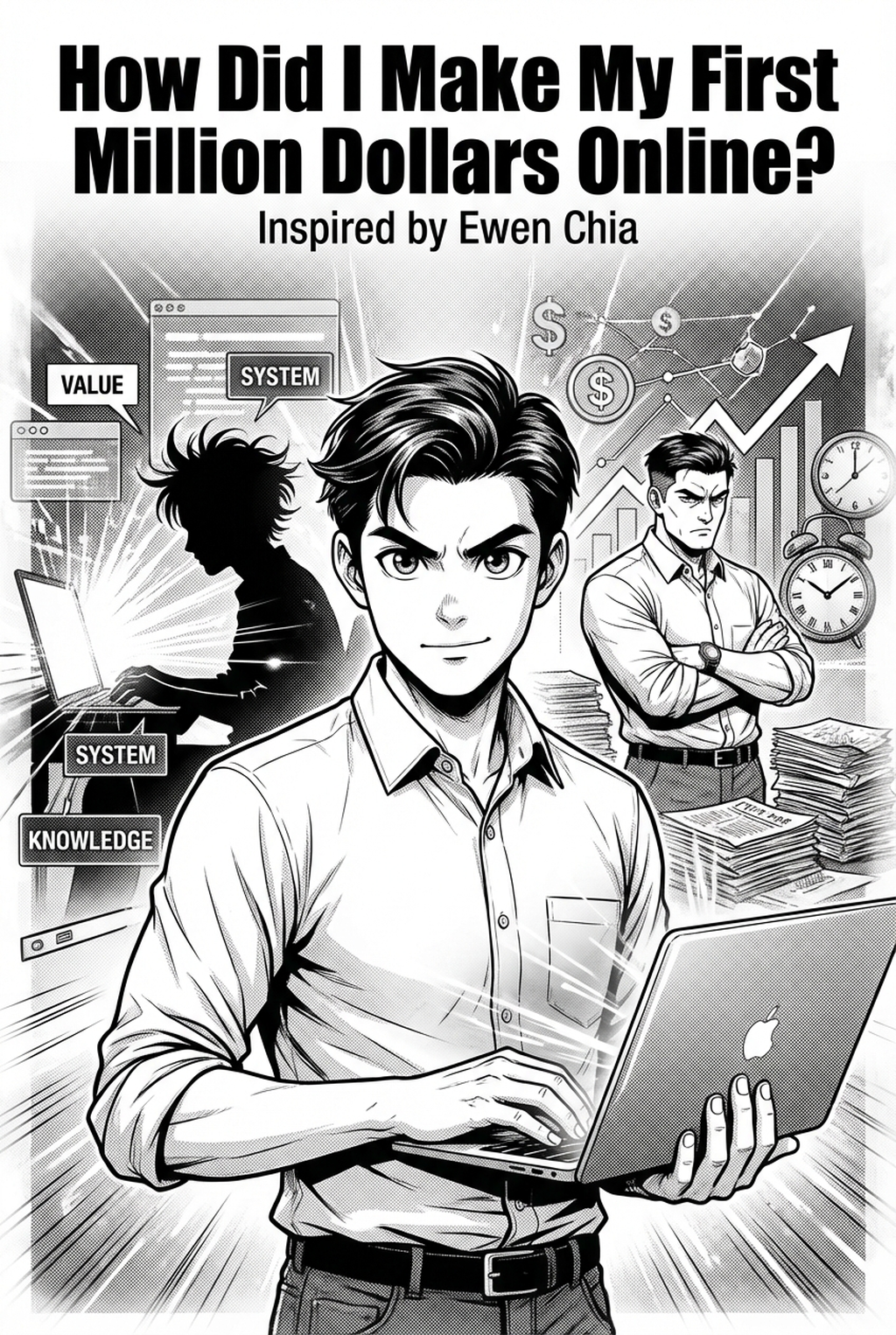
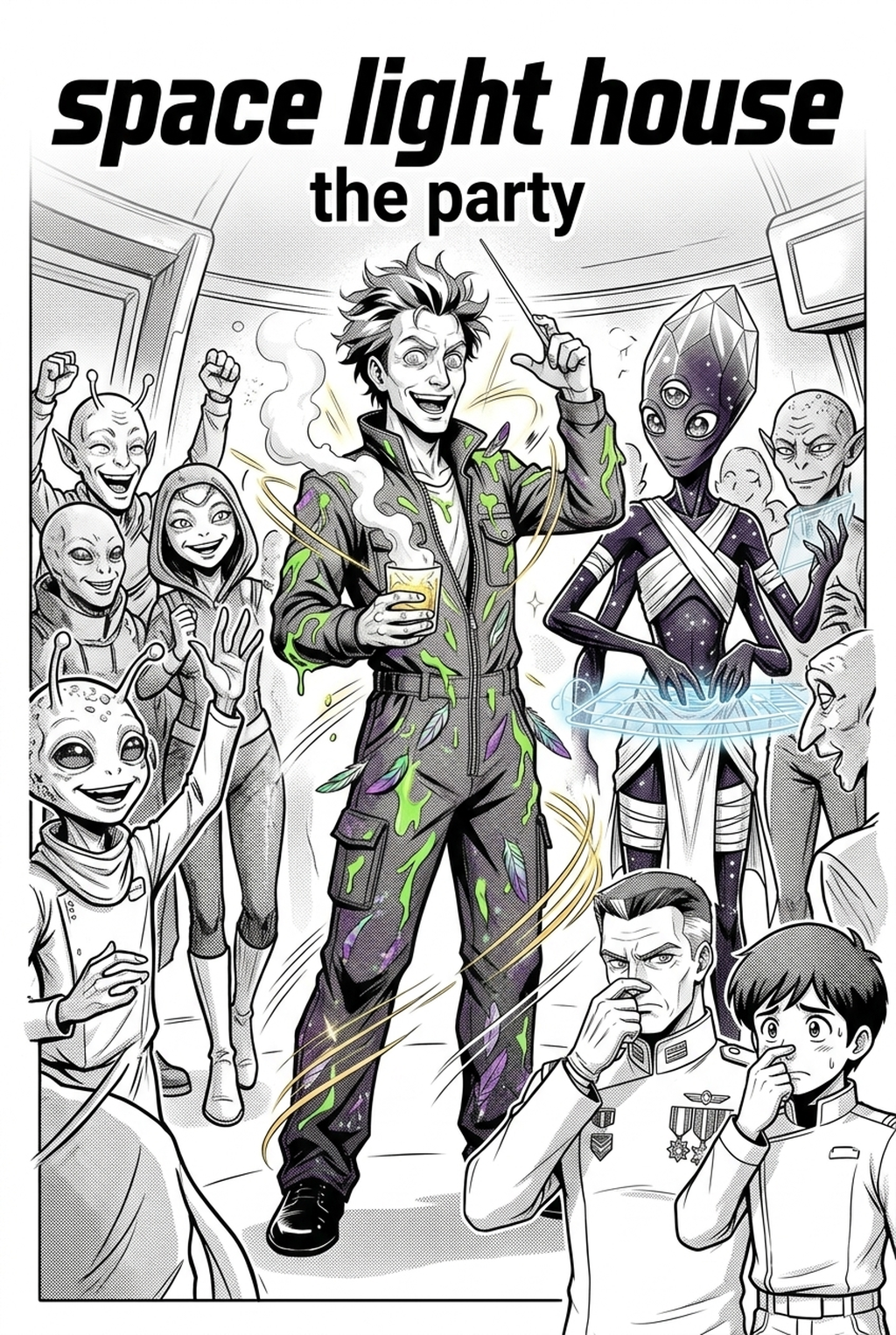
character design with Mangaka allows creators to generate consistent character variations from precise text descriptions, essentially automating the technical labor involved in drafting extensive model sheets. By utilizing an AI manga character designer, you can rapidly iterate on your design elements while ensuring the aesthetic feel of your story stays anchored to your original vision.
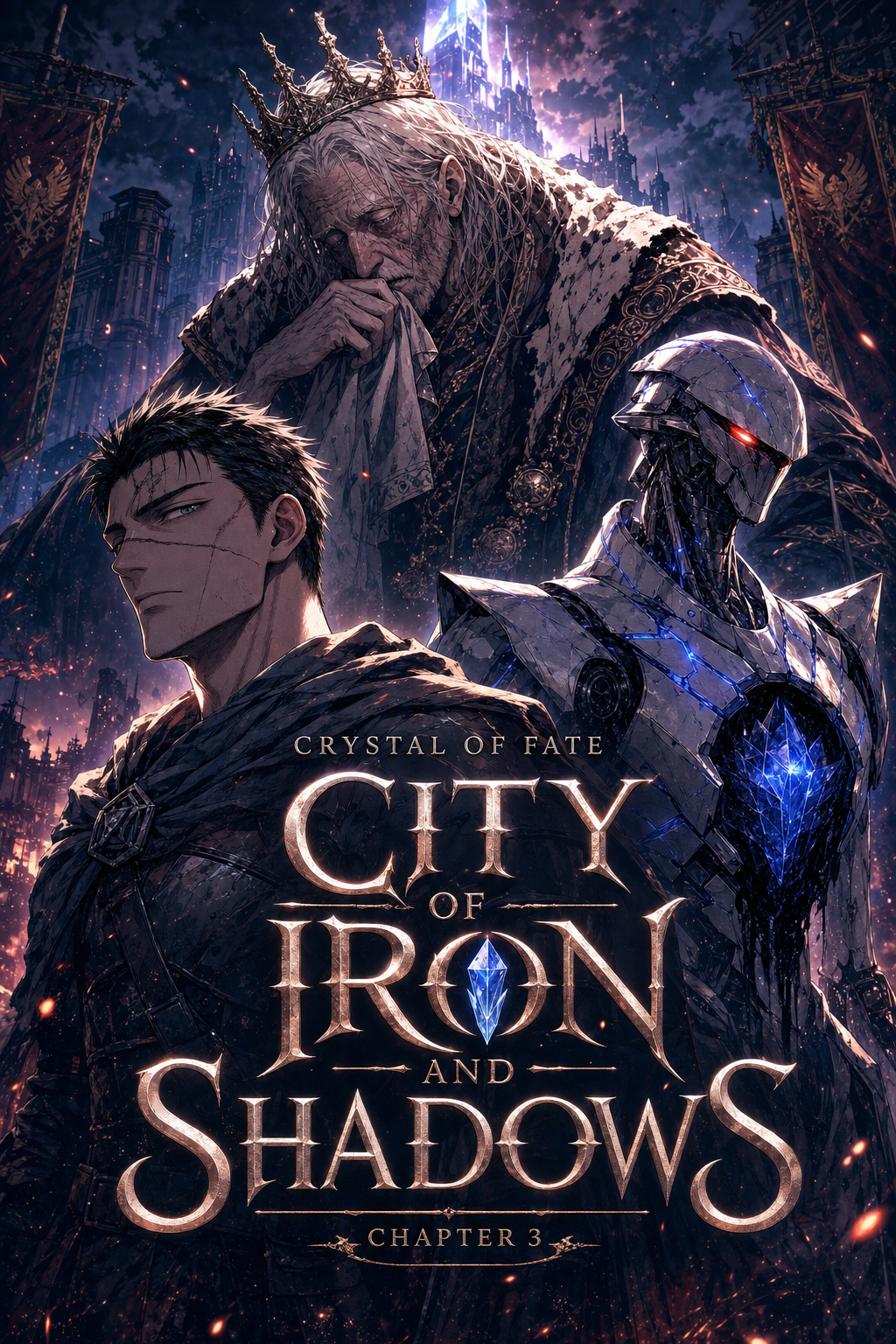
The platform enables you to define specific physical markers, such as hair style or distinctive facial scars, and ensures these elements maintain exact delivery format specifications throughout your project. This capability removes the manual struggle of re-drawing the same character dozens of times to maintain alignment across varying panel sizes and camera angles.
When testing how a character looks in different lighting or perspective scenarios, the AI provides an immediate visual feedback loop. Artists can adjust design parameters and immediately see how those changes impact the character's overall silhouette, drastically cutting down the time spent in the initial drafting phase.
Practical Applications in Your Workflow
Moving from a static design concept to an active, expressive figure requires applying your established line weight and shading styles to the final inking and coloring phases. A unified visual language is only achieved when the design phase actively informs how the character interacts with shadows, highlights, and environment-specific lighting.
- Persistent Anchors: Define 3-5 static features, such as eye color or key accessories, that must appear in every panel. * Expression Sets: Create a range of emotional states that conform to your established anatomy for both intense Shonen outbursts and somber Seinen reactions. * Line-Weight Protocol: Set clear rules for line thickness in clothing versus skin to ensure character depth doesn't flatten during inking. * Lighting Consistency: Determine a standard light source direction in the design phase to prevent conflicting shadows during complex multi-character panels.
Professional review cycles are necessary to ensure that designs hold up under the pressure of tight deadlines and intense, high-angle perspectives. If a design fails to maintain its look in a wide-shot panel, it should be revised in the source file before moving to full page layouts.
- Chapter cadence. Use the AI pass for pages where speed matters most, such as repeated action poses, transformation beats, or dense speed-line panels. Keep manual cleanup for hero panels where the line style defines the emotional peak.
- Character continuity. Compare the generated lines against the same model sheet, costume notes, and facial-expression range used during sketching. This prevents a fast inking pass from drifting away from the character identity readers recognize.
- Export readiness. Check whether the final manga output can move into lettering, coloring, or final layout without rebuilding panel borders or speech-bubble space. A good manga workflow should save time while keeping the next production step predictable.
Getting Started with Professional Designs
How can I ensure my character doesn't change appearance between chapters? You must prioritize the creation of a definitive character model sheet that defines every aspect of the design, using AI tools to enforce these constraints as you move through production.
The role of an AI manga character designer is to serve as an assistant that holds your visual requirements constant, allowing you to focus on panel pacing and narrative structure. For a standard reference sheet, you should include at least three core views: a full front-facing view, a side profile, and one dynamic action pose that demonstrates how the outfit moves during combat.
Creators should compare the generated line art with the original sketch and confirm that facial expressions, props, speed lines, and speech-bubble space still support the scene. A repeatable review pass should cover character consistency, panel readability, background clarity, and whether the final file is ready for coloring, lettering, or editor feedback.
The Bottom Line
Mastering AI Manga Character Designer workflow is a balance between your unique creative intent and the technical reproducibility required for long-form manga. By utilizing advanced tools, you can ensure your visual storytelling remains tight and consistent throughout your entire series, so you can character design and keep your readers fully immersed in your world.
Related articles
Character Design for Manga: A Guide to Visual Consistency
Character Design for Manga: A Creator’S Guide to 2026
Manga Character Design: A Guide to Consistent Storytelling