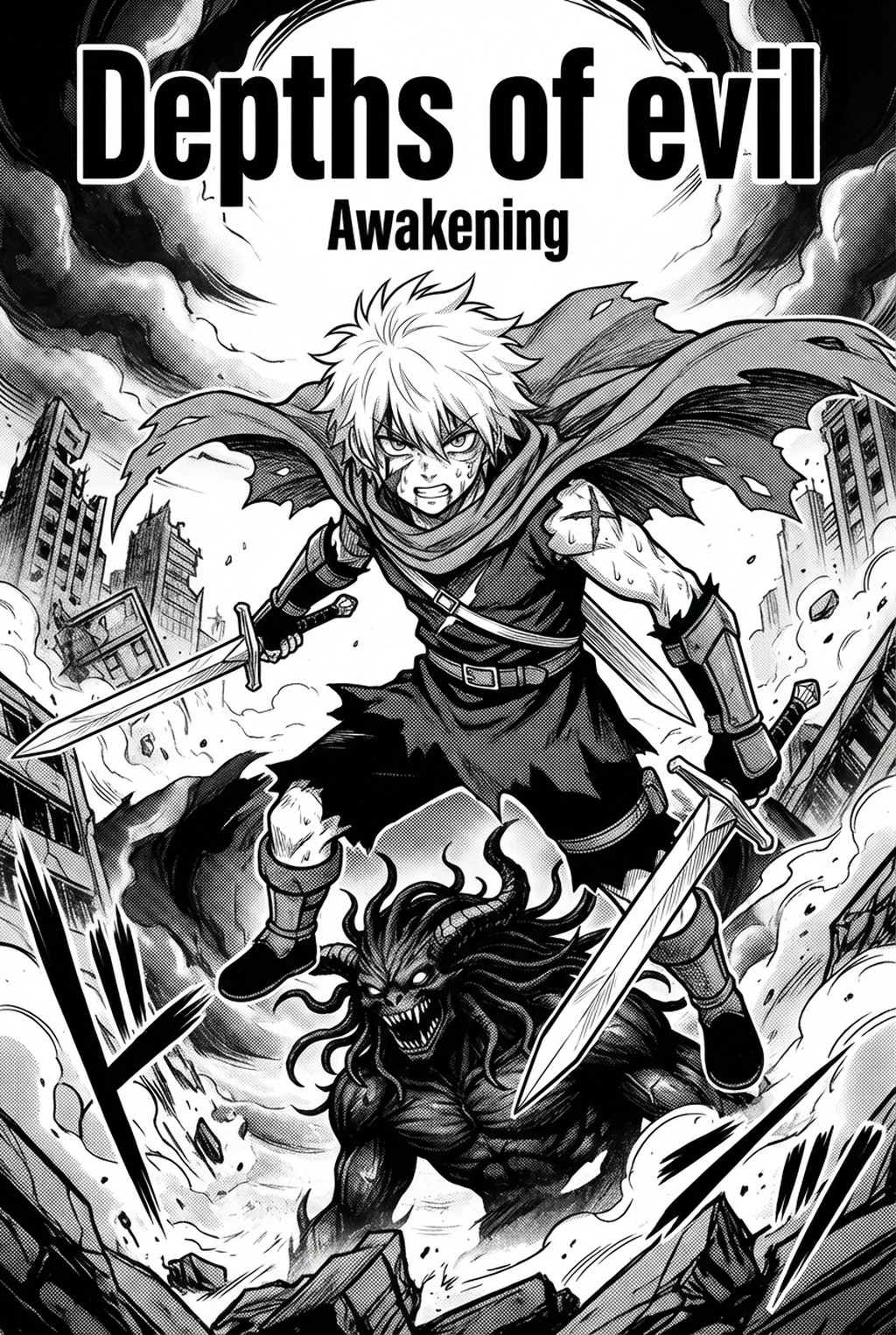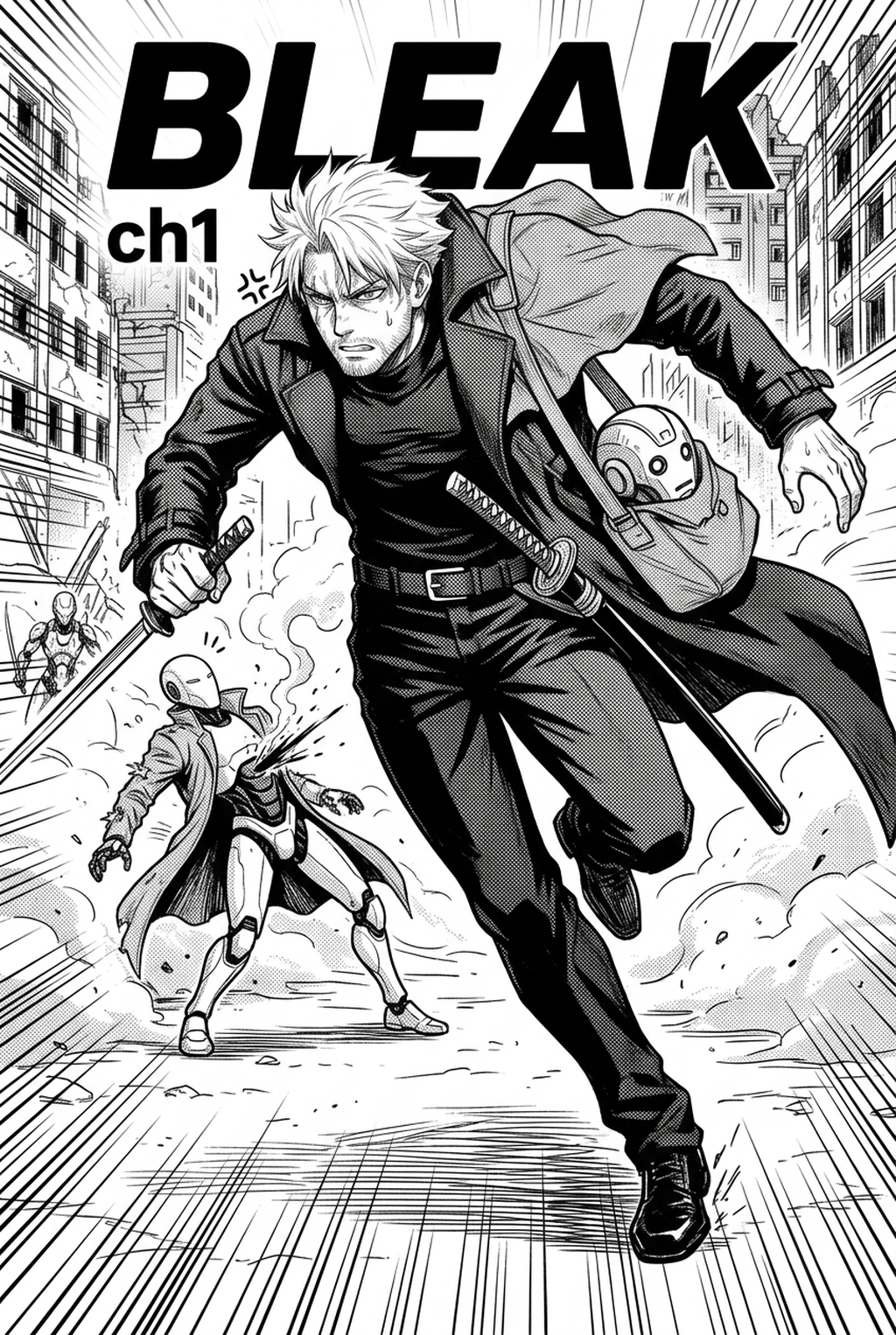
The Architecture of Kinetic Manga Storyboards
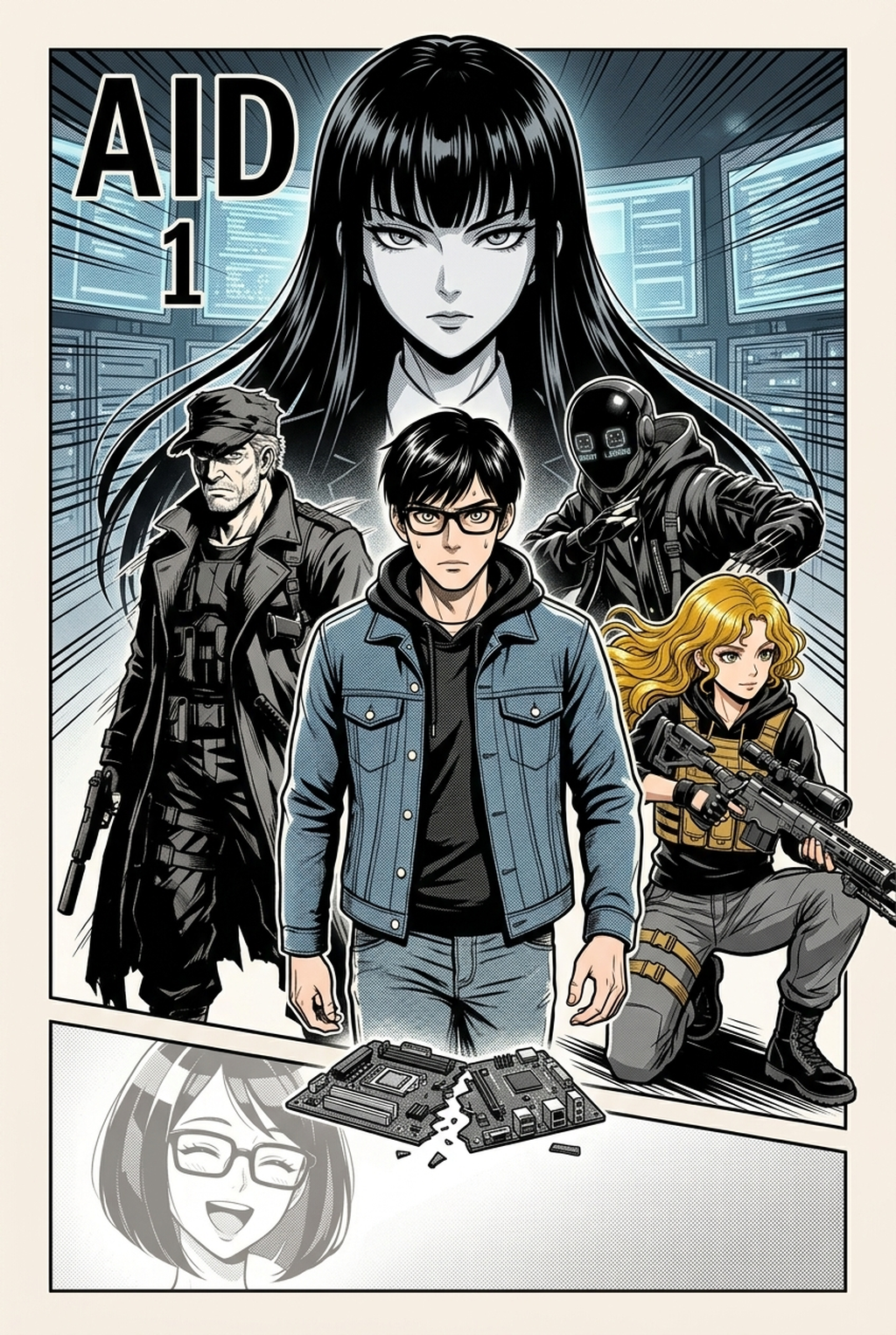
An effective action manga storyboard utilizes variable panel sizes and slanted, non-orthogonal borders to simulate speed and physical impact. Shonen creators must prioritize impact framing—using large, bleeding panels for decisive blows—to differentiate high-tension conflict from the slower, dialogue-heavy exposition found in earlier chapters.
The sequence should dictate the reader's eye path through visual tension, where each panel answers a kinetic question posed by the previous one. If your fight relies on a series of rapid strikes, the layout must narrow the gutters to create a feeling of claustrophobia and speed, then suddenly expand into a full-page bleed for the character's finishing move. Neglecting this structural hierarchy often leads to a "flat" reading experience, even if your line art and shading are technically flawless.
Why Storyboarding Dictates Action Rhythm
Without a solid foundation, even the most polished art falls flat if the rhythm of the battle feels disconnected from the reader's pace. Digital-first artists must reconcile the distinct demands of vertical-scroll platforms against the traditional two-page spread flow to maintain momentum across different device sizes. Prioritizing the storyboard phase allows you to stress-test the "beats" of a battle before committing hours to detailed inking.
- Proportion Consistency: Locking character scale to avoid mid-fight shrinking or elongation errors. * Dialogue Clearance: Mapping out speech bubbles early to prevent blocking critical action impact shots. * Perspective Shifts: Ensuring foreshortened poses maintain structural logic from panel to panel.
How Storyboard Software Enhances Workflow
The Mangaka Builder handles the technical heavy lifting by automatically arranging panels for narrative flow, allowing you to focus entirely on character posing and energy. By letting specialized software manage grid constraints and gutter alignment, you eliminate the technical friction that leads to inconsistency in monthly serialization.
This approach allows creators to iterate on complex fight choreography in minutes rather than hours, turning the storyboard into a rapid "pre-visualization" tool. Instead of manually drawing and erasing grid lines to adjust for a last-minute change in pacing, the Action manga storyboard with Mangaka suggests optimal layouts that accommodate your specific visual signature. This structural foundation acts as a high-speed engine, ensuring your narrative flow hits the mark while maintaining consistent character proportions across every punch and counter-attack.
- Chapter cadence. Use the AI pass for pages where speed matters most, such as repeated action poses, transformation beats, or dense speed-line panels. Keep manual cleanup for hero panels where the line style defines the emotional peak.
- Character continuity. Compare the generated lines against the same model sheet, costume notes, and facial-expression range used during sketching. This prevents a fast inking pass from drifting away from the character identity readers recognize.
- Export readiness. Check whether the final manga output can move into lettering, coloring, or final layout without rebuilding panel borders or speech-bubble space. A good manga workflow should save time while keeping the next production step predictable.
Key Applications in Dynamic Fight Design
Understanding the difference between a written script and a visual storyboard is vital for effective production. A script provides the conceptual source context for dialogue and plot, whereas the storyboard serves as the final delivery format for the action's visual rhythm and impact.
AI builders can suggest dynamic perspectives based on your action intent, offering framing for difficult shots like:
- Extreme Foreshortening: Pulling the character’s fist into the foreground to amplify the scale of an attack. * Wide-Angle Impact Shots: Utilizing wide, horizontal panels to capture the scope of a destructive environment after a major hit. * Low-Angle Hero Poses: Positioning the camera beneath the character to emphasize dominance and power during a transformation or turn-around moment.
Pre-arranging panels does not limit your artistic style; it creates a functional skeleton that acts as a structural guide. You maintain complete control over the final inking, tone application, and character expression while the software ensures your panel gutters and layout constraints remain professional. This separation of concerns allows you to treat the grid as an asset rather than a limitation, preventing the common "line-weight drift" that happens when artists try to manually adjust composition during the final ink pass.
Implementation for Modern Manga Creators
Great action manga is not just about the art; it is about the mastery of sequence and tempo that keeps the reader turning the page. Adopting a structured approach to your layout ensures your technical output matches your creative vision, providing a consistent, high-impact reading experience from the first punch to the final panel.
- Establish Key Frames: Identify the three "big moments" in the fight and build your page layouts around those centerpieces first. * Maintain Grid Logic: Use consistent gutter spacing to define the passage of time—thinner gaps for rapid-fire action and wider gaps for shifts in narrative focus. * Prioritize Flow: Track your reader's eye path to ensure they move naturally from the attack to the reaction in a single, fluid motion.
Creators should compare the generated line art with the original sketch and confirm that facial expressions, props, speed lines, and speech-bubble space still support the scene. A repeatable review pass should cover character consistency, panel readability, background clarity, and whether the final file is ready for coloring, lettering, or editor feedback. For longer projects, creators should save approved examples of line weight, face detail, clothing folds, and background density. Those references keep later chapters closer to the intended style.
The Bottom Line
A well-constructed storyboard acts as the pulse of your story, ensuring that every movement carries weight and every page turn feels earned. By automating the technical overhead of grid alignment and panel spacing, you protect your creative energy for the details that actually define your work. When you are ready to refine your visual narrative and speed up your production, start planning your layouts with the Action manga storyboard to ensure your action hits the mark every time.
Related articles
How to Build an Isekai Manga Storyboard That Actually Pops
Build Your Manga Storyboard Fast: Free AI Tool in 2026
Manga Storyboard Guide: Planning Your Panels for Success