Defining Essential Environmental Pillars
Manga background design functions through the triad of perspective accuracy, atmospheric depth, and visual hierarchy. If a background is too detailed, it competes with the foreground action; if it is too sparse, the characters appear to float in a vacuum, leading to reader confusion during high-intensity sequences.
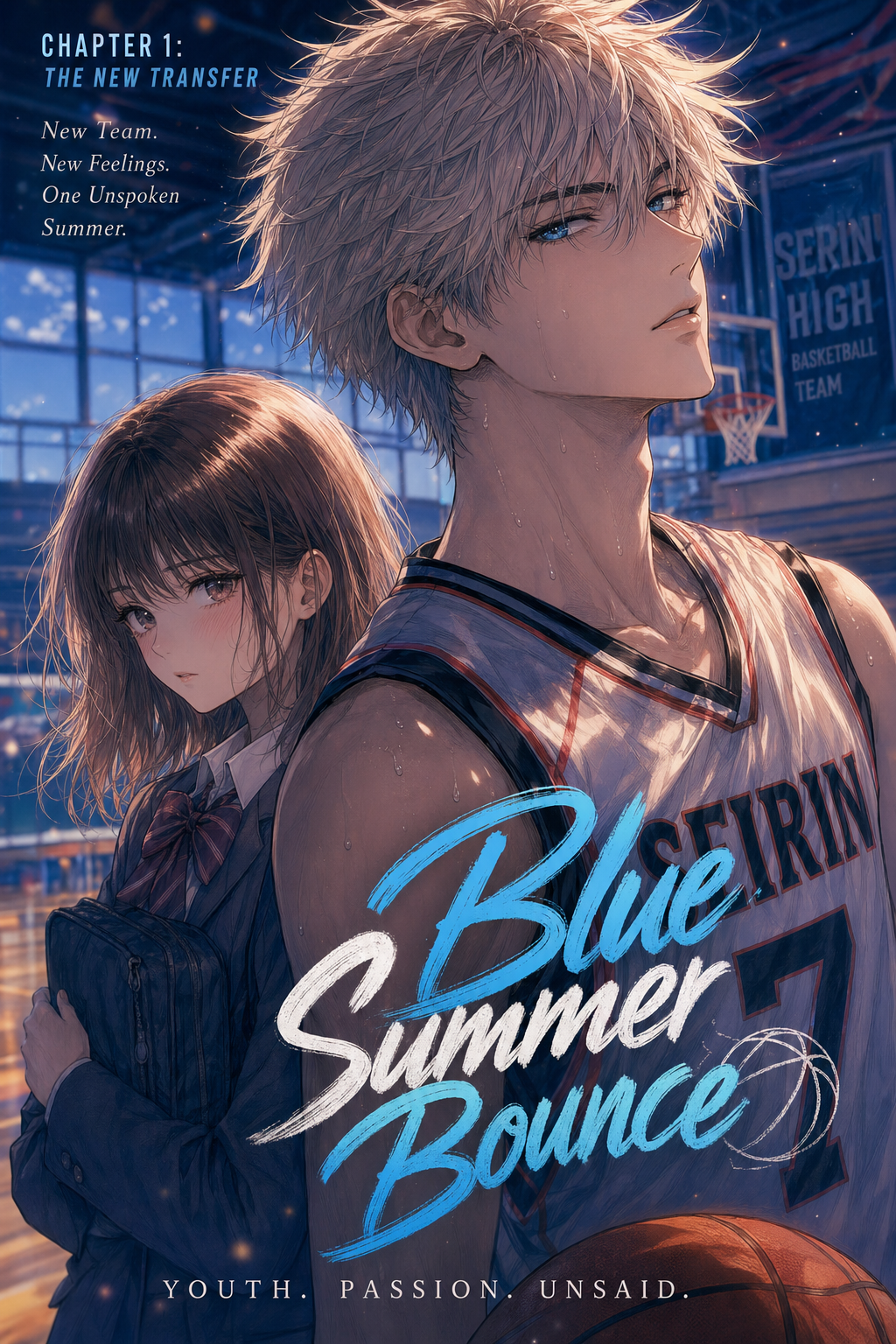
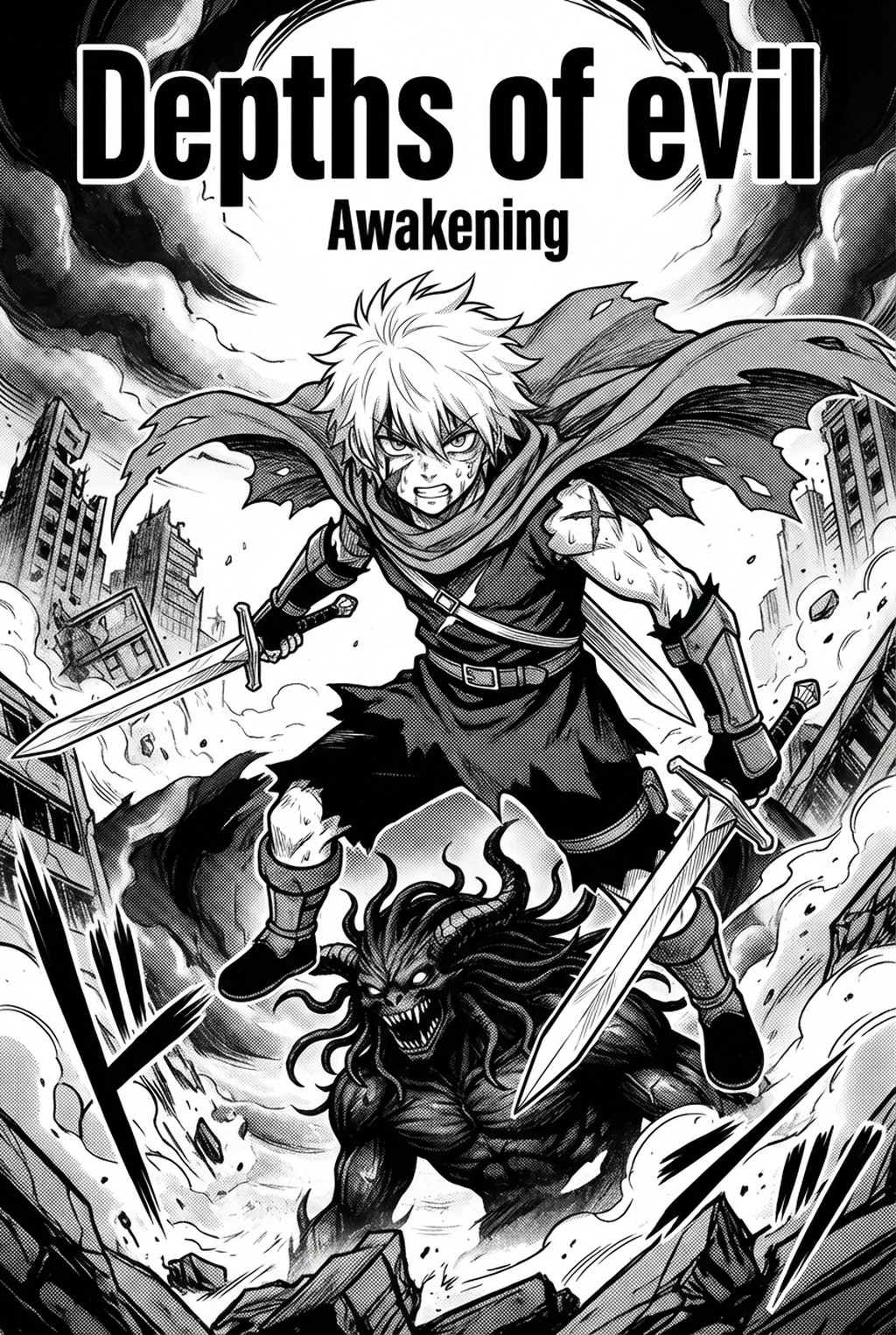
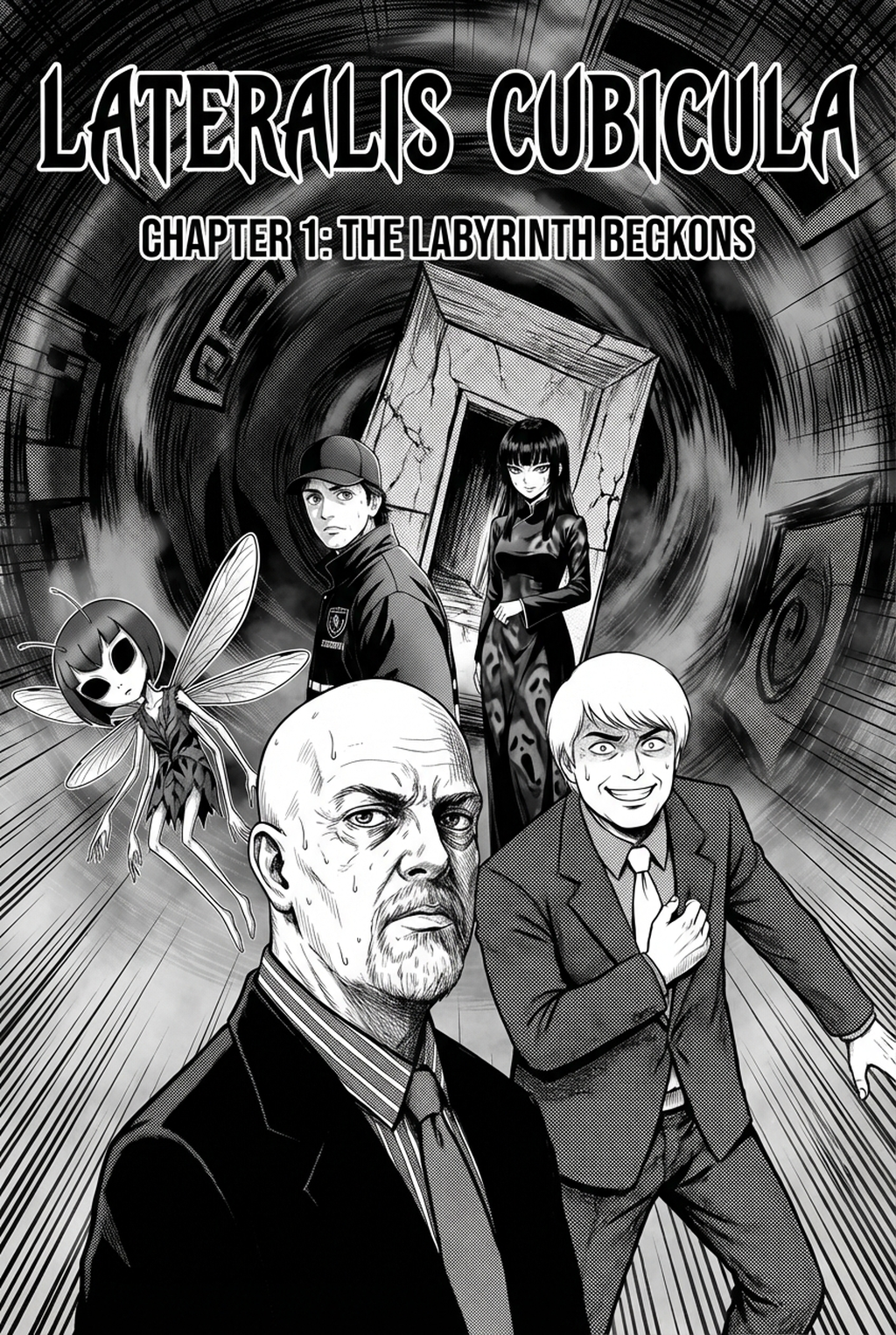
- Shonen Impact Frames: Prioritize high-action spatial dynamism and exaggerated focal points. The background must physically deform or warp to match the kinetic energy of a special move, utilizing wide-angle lens perspectives to maximize the sense of scale. * Seinen Architectural Realism: Focus on heavy, cluttered environmental storytelling where grit is established through texture. The inclusion of complex light-shadow interplay and architectural density creates a lived-in, grounded reality that reflects the narrative’s maturity. * Shoujo Dream-State Assets: Lean into ethereal patterns and soft-focus floral elements that prioritize mood over structural rigidness. Lighting here acts as a narrative tool, mirroring internal character states through romanticized, non-realistic shadows and glowing gradients.
Reasons for Architectural Consistency
Consistency in your environmental design prevents cognitive dissonance, which often occurs when a recurring location shifts scale or structure without clear narrative intent. When readers cannot map the physical space of your world, they lose their sense of immersion in the long-running arcs of your story.
Establishing firm set design rules acts as the source context for every subsequent panel. For example, if a protagonist’s apartment features a specific bookshelf layout or a unique window orientation, those elements must persist across every chapter to ground the reader.
Maintaining a unified aesthetic across diverse scenes requires careful handling of two specific technical variables:
- Screen Tone Density: Uniformly applying textures prevents the background from "vibrating" or looking disjointed when juxtaposed with hand-inked foregrounds. * Line Weight Discipline: Keeping the G-pen or digital brush signatures uniform across characters and environments ensures the final PNG or PDF export feels like a singular, coherent creation rather than a collage of mismatched parts.
Integrating AI into the Creative Workflow
Mangaka automates the most labor-intensive aspects of background generation, such as calculating complex vanishing points and mapping architectural details to your specific scene descriptions. By shifting the initial labor to an AI-assisted process, you reclaim production hours previously lost to repetitive mechanical drawing.
The workflow begins by converting descriptive text—such as "cramped cyberpunk alleyway with rain-slicked pavement"—into a high-fidelity base layer. These outputs serve as the delivery format for your final panel composition, already optimized for high-resolution print standards.
- Perspective Grids: Automatically generated grids allow you to focus on character placement rather than technical measuring. * Texturing and Detail: Complex surfaces like brickwork or wooden slats are rendered with consistent tone, which you can later refine. * Resolution Scaling: The AI output is optimized for professional 600 DPI print requirements, ensuring no pixelation issues during the final export.
Application of AI-Assisted Design
Successfully blending AI assets involves treating the generated image as a foundational base that you modify to match your personal artistic touch. You should approach these layers as a digital under-drawing that requires a final review pass to harmonize with your hand-inked character layers.
Adjusting the review owner settings is critical for maintaining your unique stylistic imperfections. You can tune the contrast and hatching density of the AI output until it perfectly matches your specific traditional brush or G-pen signatures. Maintaining a human-in-the-loop approach ensures that the background retains the "human touch," preventing the overly sterile, photo-realistic aesthetic that often betrays the use of non-specialized tools.
- Overlay Techniques: Place your hand-drawn character layers on top of the AI base, using masking to integrate depth. * Line Art Harmony: Apply your own signature inking pass to the AI-generated architecture to ensure the line weight is consistent throughout the panel. * Tone Matching: Use localized density adjustments to match the AI-generated shading to your manual screen tone application.
Getting Started with Professional Background Tools
Commercial usage is a core concern for modern manga artists. Using a specialized tool like manga background design with Mangaka ensures that all background assets are generated with commercial-ready rights, providing the peace of mind required for long-form serialized publication.
AI backgrounds do not lose their manga feel if they are specifically trained on stylized line art and professional tone conventions. Because the focus remains on composition and narrative flow, you are acting as the director and designer of your page, not simply an illustrator of repetitive background elements.
Creators should compare the generated line art with the original sketch and confirm that facial expressions, props, speed lines, and speech-bubble space still support the scene. A repeatable review pass should cover character consistency, panel readability, background clarity, and whether the final file is ready for coloring, lettering, or editor feedback.
Creators should save approved examples of line weight, face detail, clothing folds, and background density. Those references keep later chapters closer to the intended style. For collaboration, creators should mark which panels are final and which panels still need redraws. Clear status labels prevent an assistant, editor, or colorist from polishing the wrong version.
The Bottom Line
Effective AI Manga Background Artist workflow is no longer limited by the strict hours in a day, as modern specialized tools have removed the technical barriers that previously slowed production. By allowing Mangaka to handle the heavy lifting of perspective and architectural detail, you regain the creative bandwidth to focus on what matters most: your characters and your narrative impact. Visit manga background design to see how you can transform your scene descriptions into professional-grade manga backgrounds in seconds.
Related articles
Manga Character Design Sheets: A Guide for Indie Creators
Mastering Manga Character Design: A Guide for Indie
Create a Custom Manga Character Sheet in Seconds in 2026