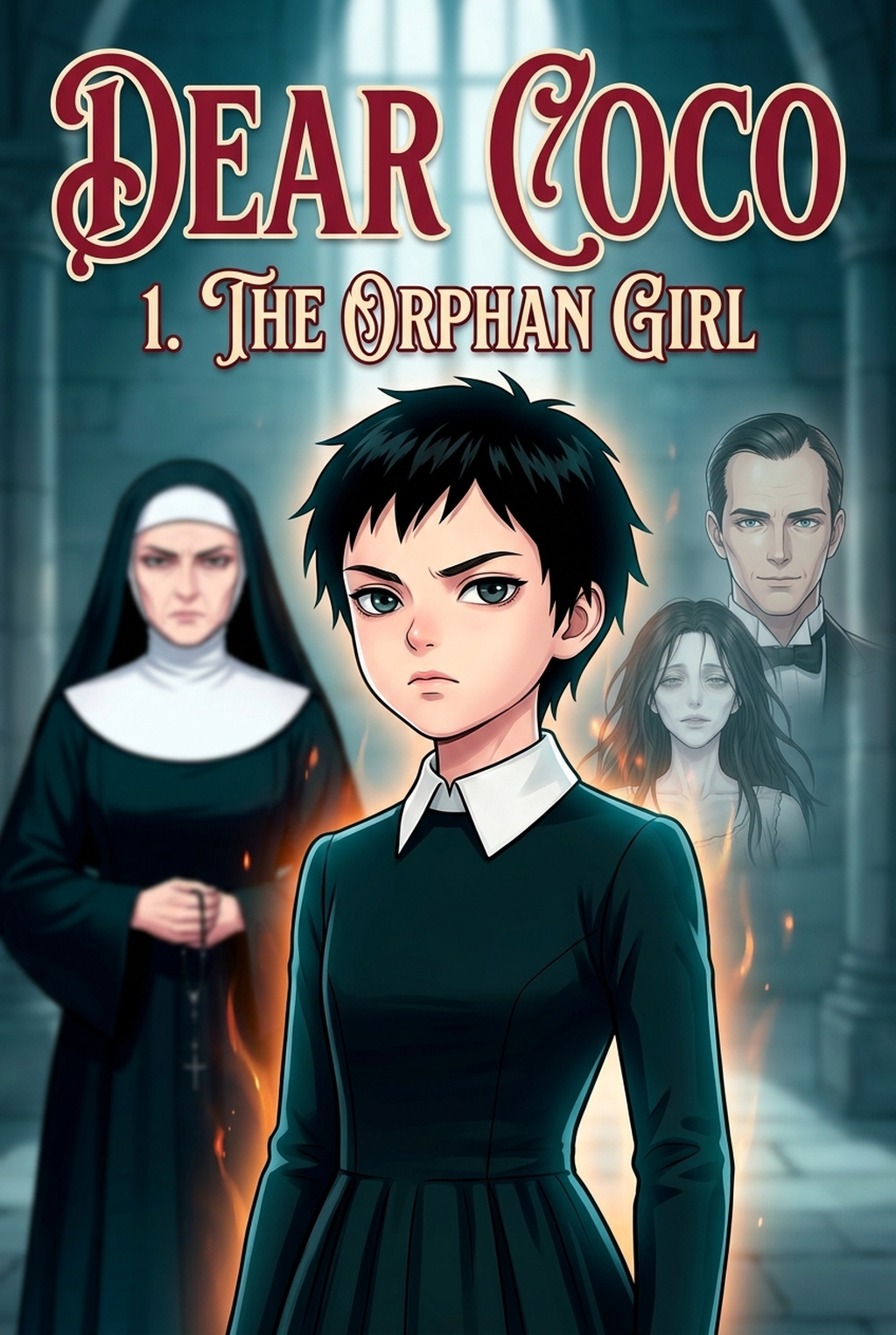
AI Manga Storyboard Builder: Why Structural Planning Matters for Creators
Efficiency in the early stages of a manga project directly correlates to the quality of the final, high-resolution export. When your structural foundation is sound, your inking software can interpret the layer data without data loss, preserving the crisp lines necessary for professional-grade printing or digital distribution.
Creators often struggle with the technical constraints of complex action scenes where standard panel shapes fail to convey speed. Our platform utilizes advanced algorithms to suggest dynamic perspective shifts, allowing you to push the boundaries of traditional manga conventions while maintaining a professional look.
Check character consistency, panel readability, line quality, and export readiness before publishing. Creators should also record why the page passed review, which panel details still need manual cleanup, and which export format the next collaborator will use. That makes the subsection useful instead of leaving a short checklist under a large heading.
Multi-layered project files are essential for professional workflows, as they enable you to tweak the storyboard independently of the final illustrative content. If you decide to change a specific panel layout to better emphasize a Shonen-style power-up or a tense Seinen dialogue reveal, you can adjust the architecture without needing to redo your primary character models or background assets.
How Our Engine Drives the Creative Process
We eliminate the time-consuming manual sketching phase by providing an intelligent engine that auto-arranges panels based on your narrative input. By analyzing the emotional beats of your script, our software generates a structural layout that prioritizes narrative rhythm and readability, ensuring that each page turn delivers the intended impact.
We offer a 100% satisfaction guarantee on all generated panel flows, ensuring your story hits the right emotional beats regardless of the genre. If the AI-suggested flow requires a custom adjustment for a specific scene, you have full authority to override the layout, giving you the perfect blend of automation and creative control.
All storyboard exports are provided in high-resolution, layered formats that are optimized for professional digital art software. By maintaining this compatibility, you can transition seamlessly from the storyboard layout to the final inking and toning phases without the need for manual cleanup or structural re-alignment. Over 5,000 independent artists have already used this workflow to reduce their total production time by nearly half, allowing them to release content with greater frequency. You can see how this works by signing up at manga storyboard workflow with Mangaka and running a baseline layout optimization pass on your next project.
Use Cases for Advanced Panel Builders
Many creators wonder if automation software removes the human touch from the artistic process. The truth is that by handling the complex structural layout, the software frees you to focus on the elements that only you can provide, such as nuanced character expressions, weight-of-line variations, and intricate background details.
While the system provides a highly accurate structural foundation, you retain the ability to manually override any panel shape or size. This flexibility is crucial for creators who want to break the panel gutter for dramatic, full-bleed images that span across two pages.
Your storyboard files remain fully compatible with professional digital art suites. Every exported project preserves the integrity of your layout, ensuring that your speech bubbles, character placement, and perspective lines are ready for the inking phase. This consistency is the difference between a amateurish-looking scan and a professional-grade serialized manuscript that is ready for publication.
Getting Started with Mangaka Today
Eliminate the days spent on tedious grid placement and start telling your story with the precision of a professional production house. Register for your free account today to experience the Storyboard Architect and test the platform with your next manga project.
Creators should compare the generated line art with the original sketch and confirm that facial expressions, props, speed lines, and speech-bubble space still support the scene. A repeatable review pass should cover character consistency, panel readability, background clarity, and whether the final file is ready for coloring, lettering, or editor feedback. For longer projects, creators should save approved examples of line weight, face detail, clothing folds, and background density. Those references keep later chapters closer to the intended style.
- Before Export. Creators should compare the generated line art with the original sketch and confirm that facial expressions, props, speed lines, and speech-bubble space still support the scene. A repeatable review pass should cover character consistency, panel readability, background clarity, and whether the final file is ready for coloring, lettering, or editor feedback.
- For Longer Projects. Creators should save approved examples of line weight, face detail, clothing folds, and background density. Those references keep later chapters closer to the intended style. For collaboration, creators should mark which panels are final and which panels still need redraws. Clear status labels prevent an assistant, editor, or colorist from polishing the wrong version.
- For Publishing. Creators should review the page at the actual reading size before export. Small screens expose crowded dialogue, weak silhouettes, and line details that looked fine while zoomed in. This keeps the review focused on story intent, line weight, panel readability, and the export quality behind the final AI Manga Storyboard Builder output.
The Bottom Line
Mastering your AI storyboard production is the most effective way to ensure your project maintains a professional standard throughout its production life cycle. By automating the structural foundation, you reclaim the time needed to refine your art and elevate your storytelling. Start your next chapter with confidence by visiting our AI Manga Storyboard Builder workflow tool and see how much faster your creative process can become.
Related articles
Essential Anime Storyboard Techniques for Manga Artists 2026
How to Plan a Fantasy Kingdom Manga Storyboard in 2026
Mastering the Manga Storyboard: A 2026 Guide for Solo