AI Manga Character Designer: Defining the Visual Identity
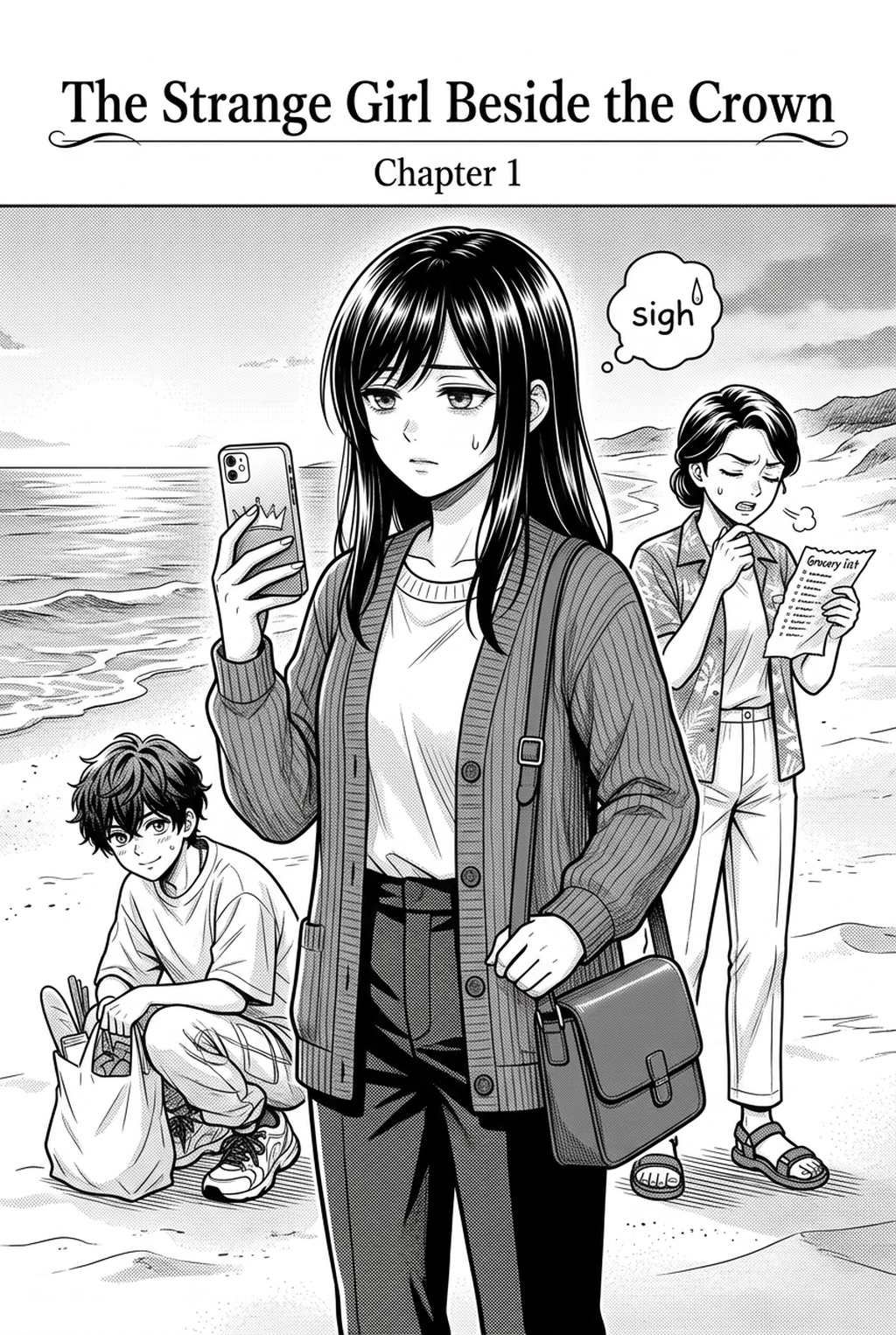
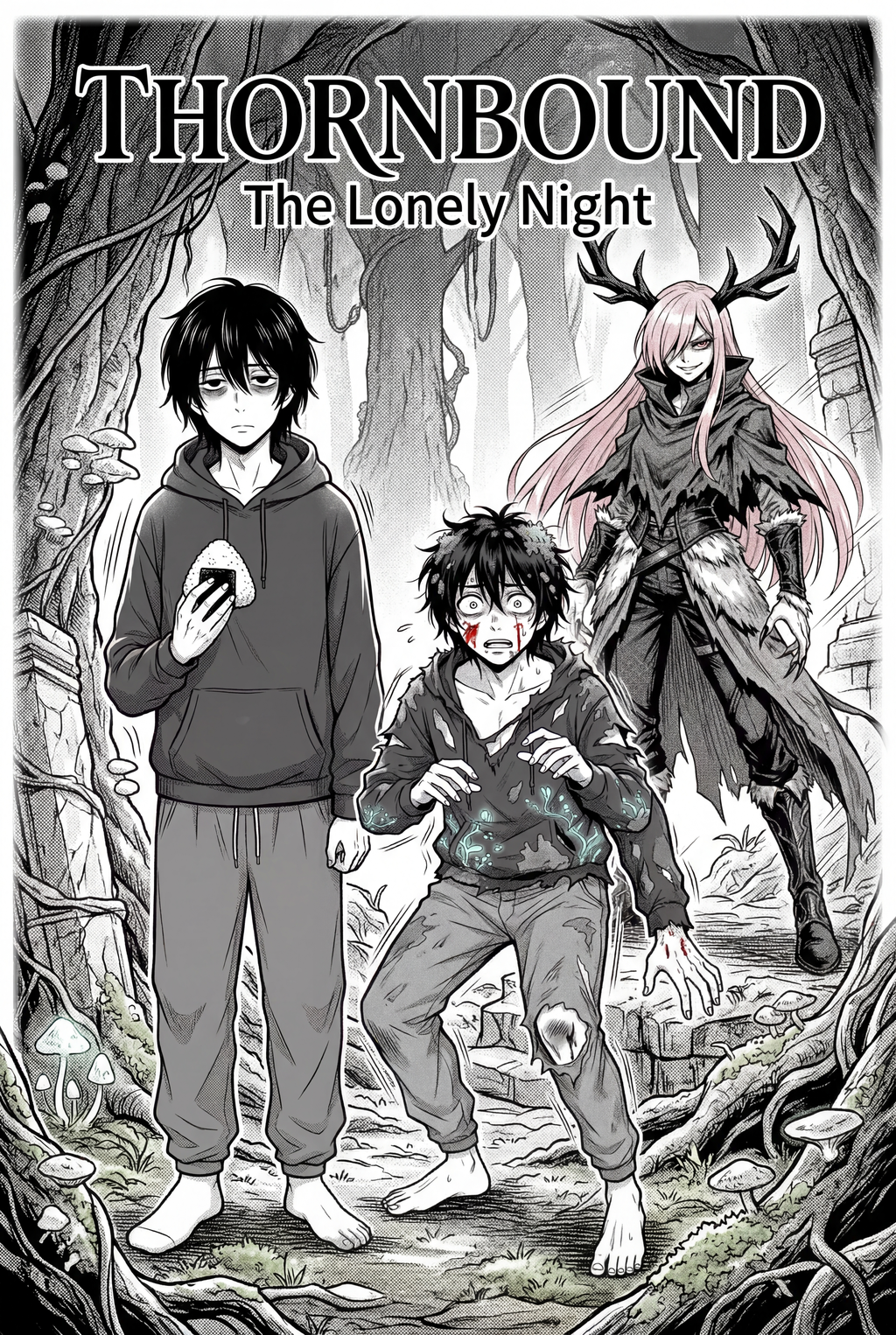
A successful character design relies on a singular visual 'hook'—an exaggerated physical trait, such as an oversized scarf or a non-standard eye shape, that ensures immediate recognition against cluttered background layouts. By identifying this anchor point early, you can maintain clarity even when character anatomy is obscured by perspective distortion or heavy action-sequence shading.
Effective designs establish 'weight' through specific line-weight variance, which dictates how the character interacts with the page’s ink-density. In high-octane battle sequences, thin, jagged lines suggest speed and impact, while thick, uniform contours ground the character during emotional close-ups. Mastering this balance ensures that your character remains readable whether you are drafting a detailed splash page or a small, lower-third insert panel on a mobile-optimized layout.
The character’s silhouette must communicate their personality before a single word of dialogue is read. A slight hunch in the shoulder lines during a standard panel can imply anxiety, while a wide, stable stance instantly conveys authority, allowing your posture choices to do the heavy lifting in narrative storytelling without relying on excessive speech-bubble exposition.
Why Consistency Matters for Serialization
Visual consistency prevents reader fatigue and subconscious confusion, ensuring that a character's features do not mutate as the manga progresses from the first chapter to the final climax. When you maintain a strict 'turnaround' sheet—a single source of truth for facial structure, outfit details, and height proportions—you eliminate the need for constant re-adjustments during the page-layout phase.
Proportion drift often occurs during the sketching of complex action panels, where traditional artists naturally lean toward expressive exaggeration that breaks the established anatomical rules. By treating your character as a rigid model rather than a loose sketch, you gain the freedom to focus on dynamic panel composition and rhythmic pacing rather than worrying about whether the character's eye size is consistent across five different chapters.
Creators who use a comprehensive character blueprint save hours of technical drafting by pre-defining repeating elements like weapon sheaths, uniform insignias, and unique accessory placement. This blueprint functions as a safety net, guaranteeing that even after a long production hiatus, you can return to the drawing board and immediately output panels that match the established visual canon of your series.
How Mangaka Optimizes Workflow
Mangaka streamlines the character-creation process by storing identity data as persistent, reusable assets that function as a technical foundation for every new storyboard. This tool preserves physical traits through latent space anchors, meaning the machine understands the unique DNA" of your character design even when you request new poses or complex environmental interactions.
Modern design assistants automate the tedious, manual effort of re-inking and shading character models, allowing you to offload the repetitive, low-impact tasks to the system. By offloading this technical labor, you can reclaim your time for higher-order creative work, such as refining the emotional intensity of a facial expression or adjusting the placement of dialogue bubbles to maximize flow.
You retain full control over the creative output by acting as the editor and director for the generated content, ensuring the final image aligns with your vision. Because the tool maps new storyboards against the master reference sheet, you avoid the common trap of accidental style-shifting, keeping your work professional and cohesive from the first draft to the final export. You can manga character design with Mangaka to immediately stabilize your current page production.
Managing Design Complexity
Many creators inadvertently sabotage their own serialization schedule by adding overly complex costume details that become impossible to ink quickly for weekly deadlines. A design that looks incredible on a single pin-up illustration often becomes a liability when you need to draw it from forty different angles while meeting a strict, monthly production quota.
Characters must be designed with their final delivery format in mind, particularly for mobile readers who consume content on small smartphone screens. If your design features microscopic, intricate linework, it will likely turn into a smudged, illegible mess when scaled down to a typical mobile panel; high-contrast design is superior to high-detail design for long-form, digital-first series.
Without a digital anchor to enforce these parameters, the shift in artistic style over a year-long serialization can make the final volume look like the work of a different artist, undermining the perceived quality of the work. For this criterion, check character consistency, panel readability, line quality, and export readiness before publishing. Creators should also record why the page passed review, which panel details still need manual cleanup, and which export format the next collaborator will use. That makes the subsection useful instead of leaving a short checklist under a large heading.
Getting Started with Mangaka
Begin by defining your character's primary visual archetype through a clear text description that emphasizes signature features, such as specific hairstyle textures, costume fabrics, and distinct, recurring silhouette markers. This description becomes the foundational creative brief that Mangaka uses to construct your master reference sheet, which will serve as the engine for all your future panel inputs.
Use the AI platform to finalize a high-resolution reference sheet that locks in the character’s look for every action sequence and emotional beat in your script. By validating this master sheet against your initial vision, you ensure that the core physical markers are stable enough to withstand any degree of dynamic posing or dramatic perspective shifting you require in your panels.
Refine your design by feeding specific storyboard inputs into the tool, checking the output to ensure the character remains true to your creative goals. You can adjust the "strength" of the character identity if the tool begins to deviate from your master sheet, allowing for a precise, collaborative design loop that is significantly faster than traditional, manual character redrawing.
The Bottom Line
Effective character design balances artistic flair with the technical constraints of serialization to support long-term narrative consistency without sacrificing quality. By integrating tools like Mangaka into your workflow, you reduce the manual effort of maintaining character models, allowing more room for innovation in your storytelling and panel pacing. manga character design today to ensure your next chapter is both visually professional and ready for any action your script demands.
Related articles
Manga Inking: A Guide to Professional Line Art Styles 2026
Manga Character Design: A Guide for Modern Indie Creators
Manga Character Design: A Guide to Building Leads in 2026